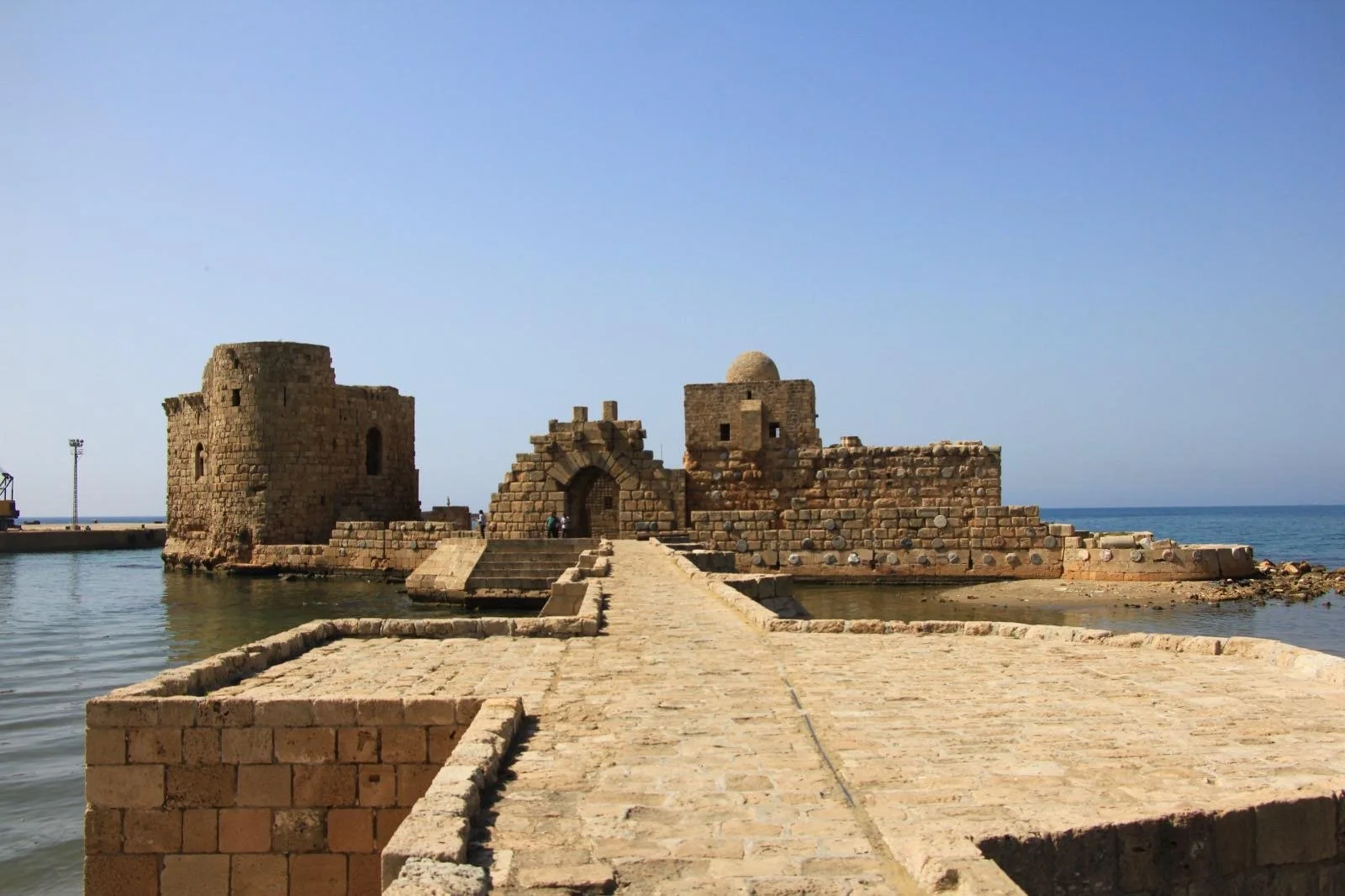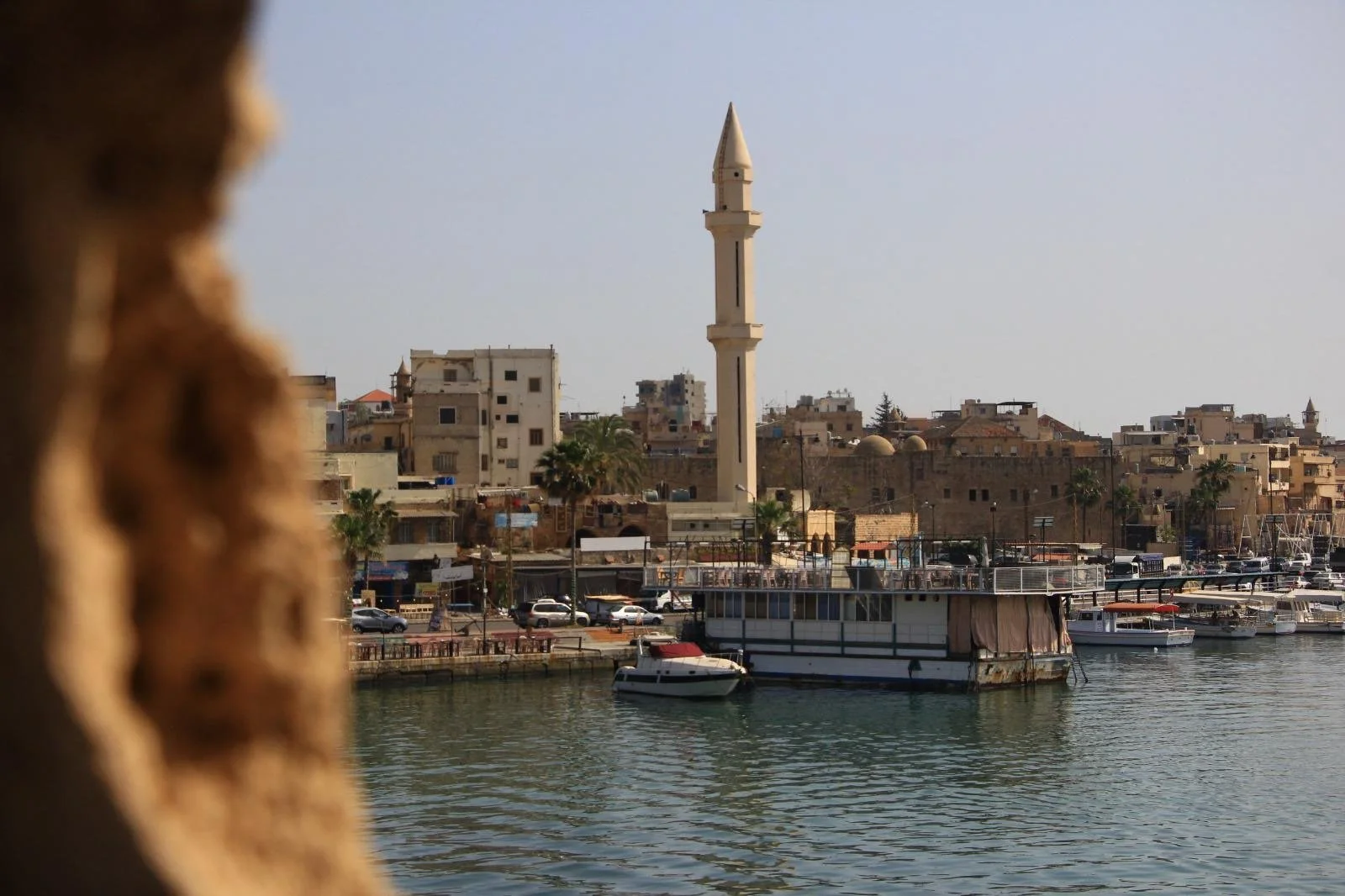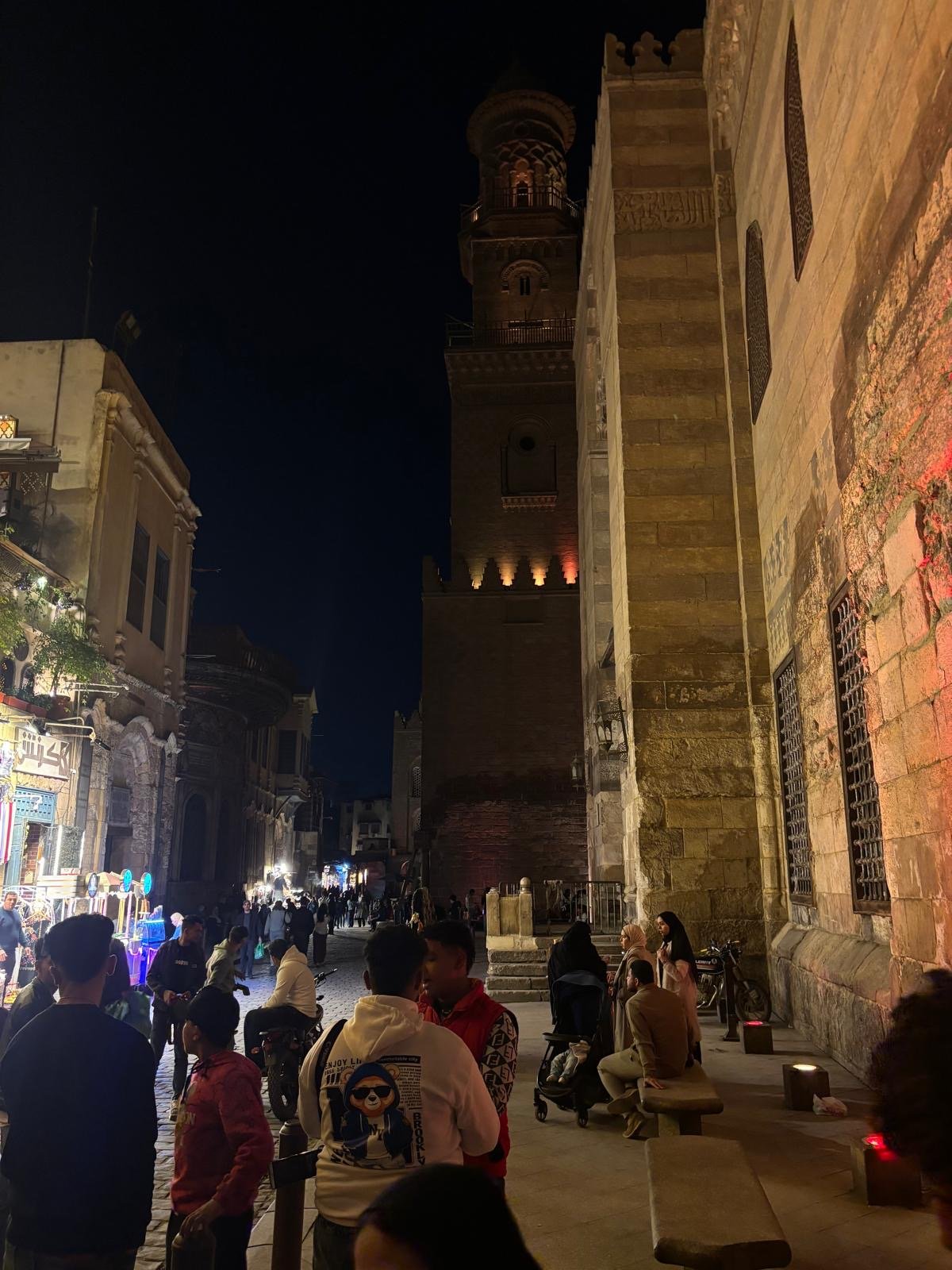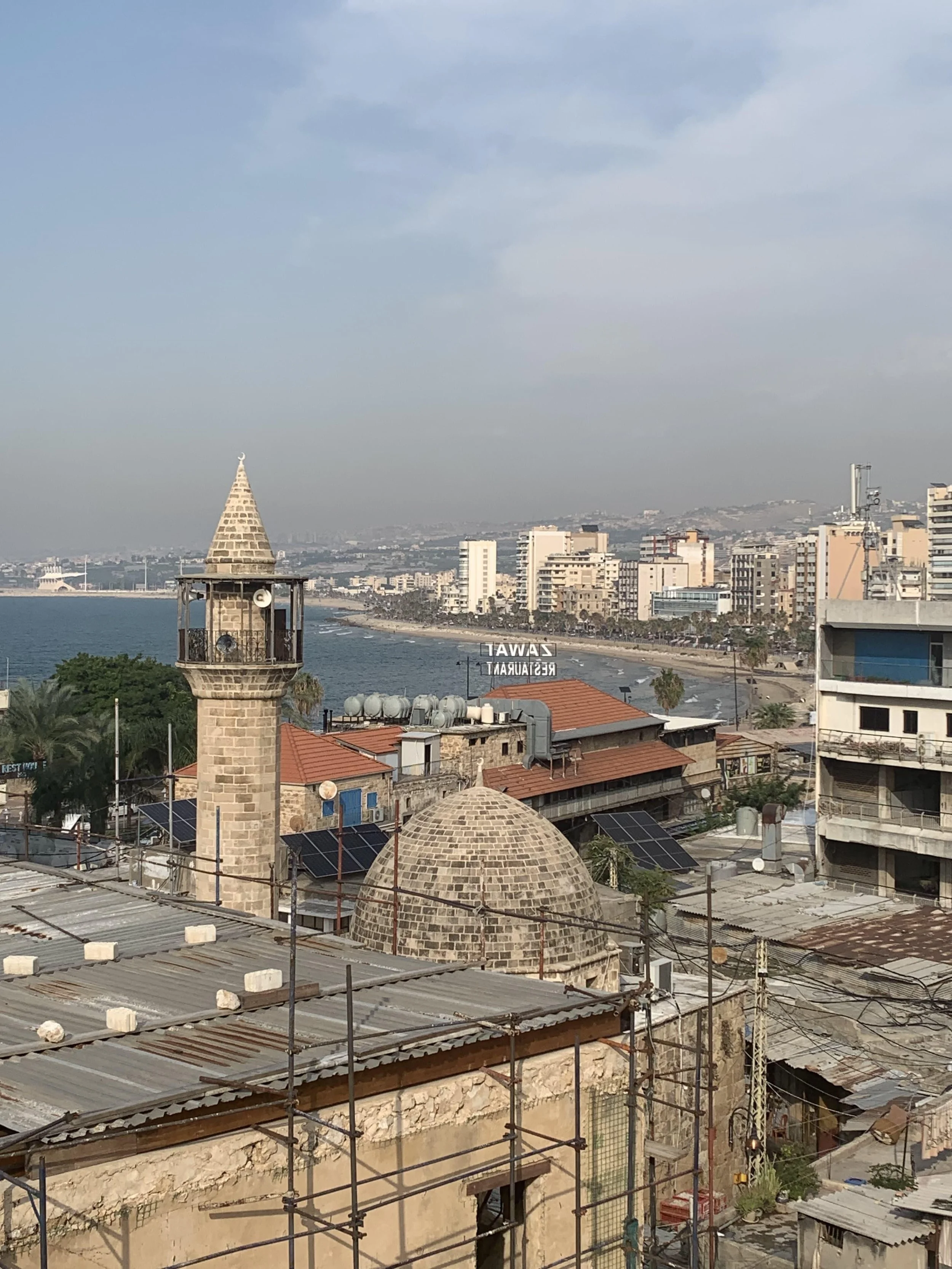
Historic urban fabric of Saida.
In recognition of Arab American History Month, one of our DCNOMA members connected with architect Ahmed Mostafa to capture his story, influences, and voice. Having completed his studies in both Egypt and Lebanon, Ahmed’s background is full of vibrant experiences that shaped his creative journey as he began his professional career in the States. What follows is his own reflection, offering insight into his perspective on design, culture, and the spaces between. Here’s what he had to share:
“My understanding of design did not begin in a studio. It began in movement between countries, cities, streets, and ways of living.
Although I was born in the United States, much of my early design consciousness was shaped elsewhere. In Egypt, and later in Lebanon, I learned to pay attention to the way culture lives inside space: not only in iconic buildings, but in waterfronts, markets, plazas, streets, and the rhythms of everyday life. By the time I returned to the United States to build my professional career, design had already become personal to me. It was never just about form or function. It was about how people gather, move, belong, and recognize themselves in place.
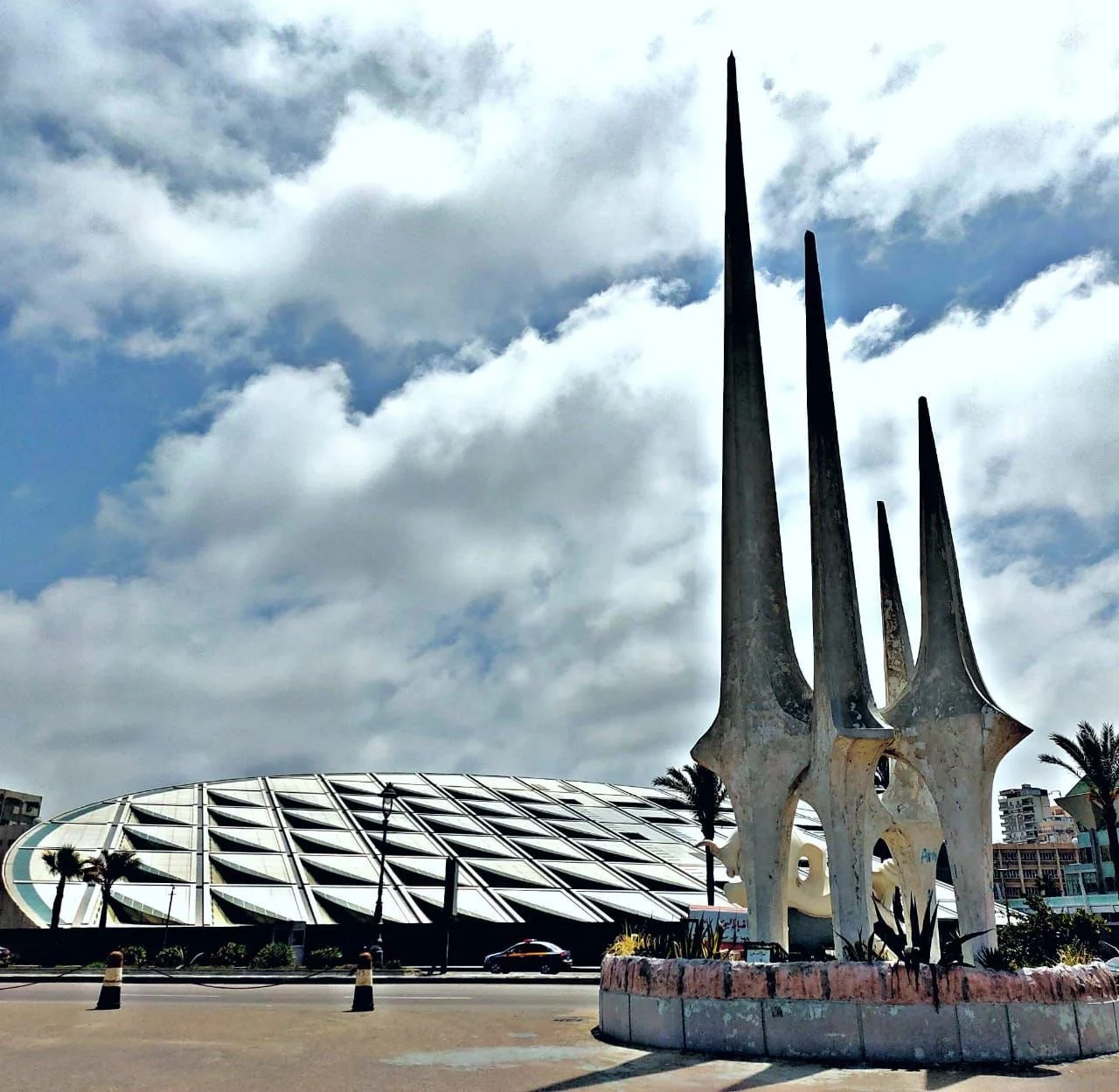
Alexandria, Egypt was one of the first cities that taught me this. There is something unforgettable about the relationship between the city and the sea, the openness of the Corniche, the public life along the waterfront, and the sense that the city is always in conversation with memory. That is part of why the Bibliotheca Alexandrina has always stood out to me. Built beside Alexandria’s ancient harbor, the library is both contemporary and deeply tied to the cultural memory of the city. It shows how architecture can look forward without disconnecting from history. For me, that idea has always mattered: meaningful design does not have to choose between heritage and modernity. It can hold both.
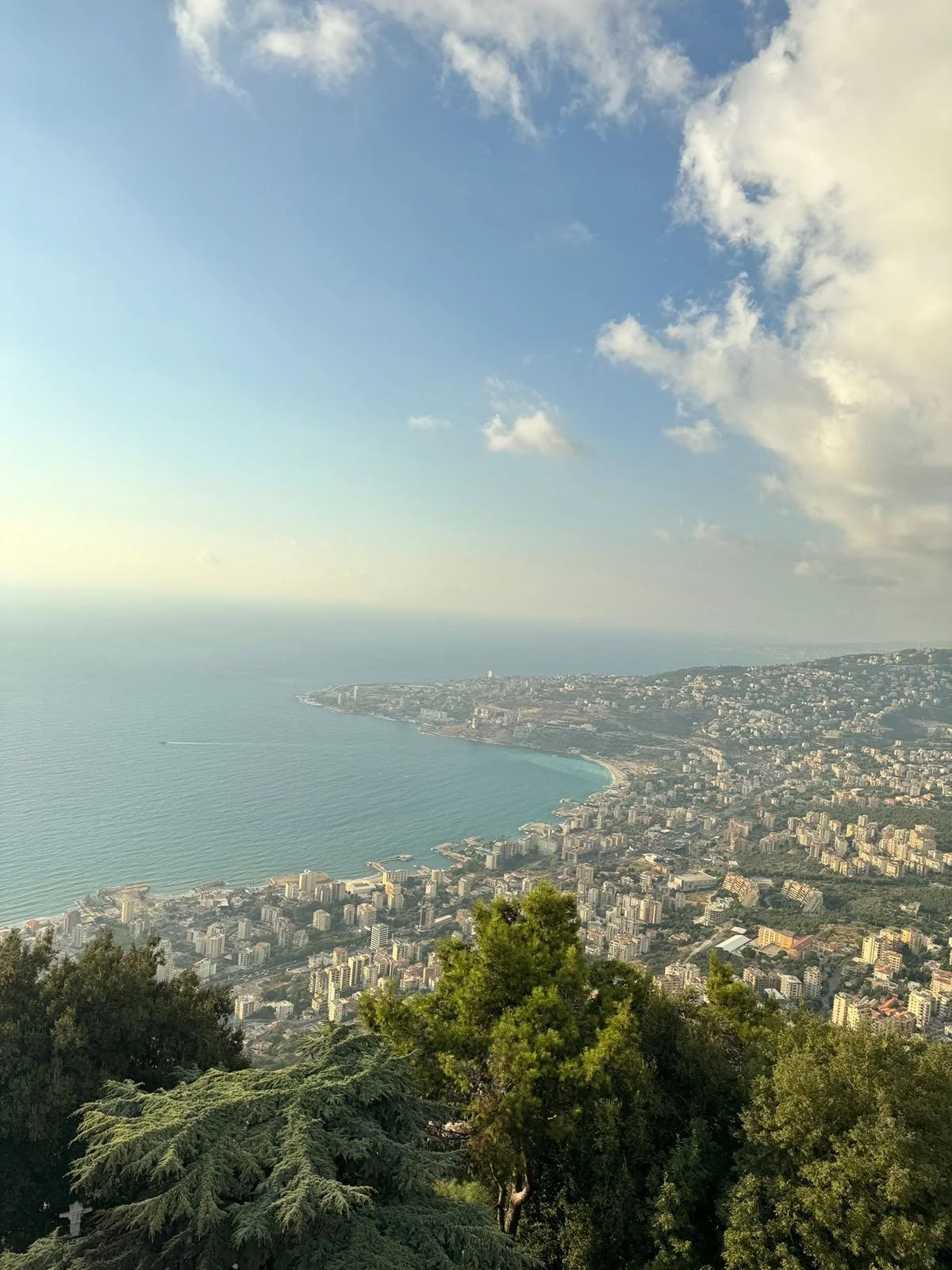
Beirut’s coastline.
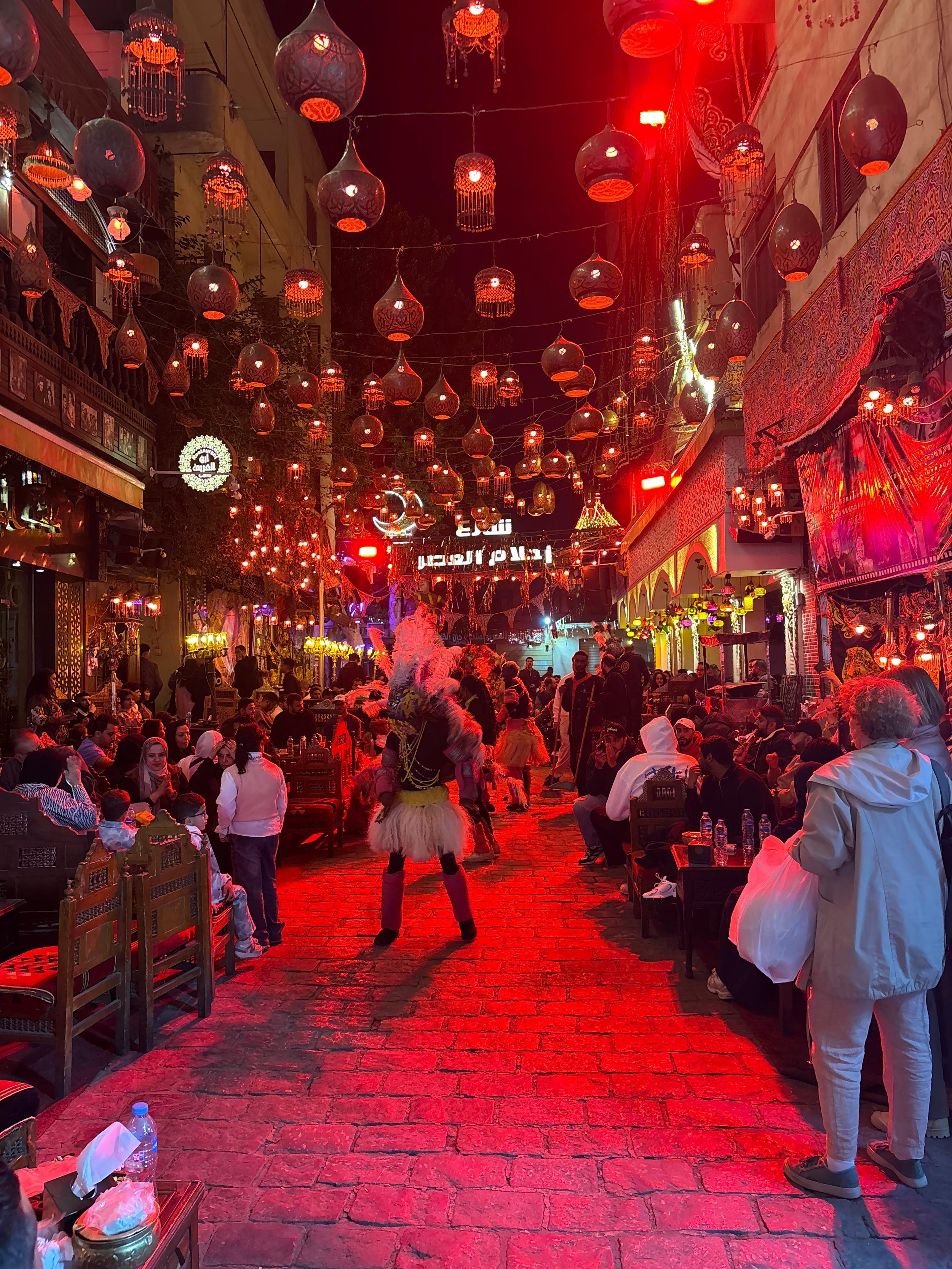
Cairo taught me something different. If Alexandria revealed openness, Cairo revealed density, layering, and intensity. In places like Al-Muizz Street and the Khan el-Khalili area, architecture is not experienced as an isolated object. It is part of a living urban fabric shaped by movement, commerce, worship, craft, and memory. Al-Muizz Street is widely recognized as one of the world’s most important concentrations of Islamic monuments, while Khan el-Khalili has remained one of Cairo’s historic commercial centers for centuries. What stayed with me was not only their history, but the way culture could be felt through the sequence of spaces, the compression and release of streets, and the coexistence of daily life with heritage. Cairo reinforced for me that design is not just what we see; it is how we experience meaning through space.
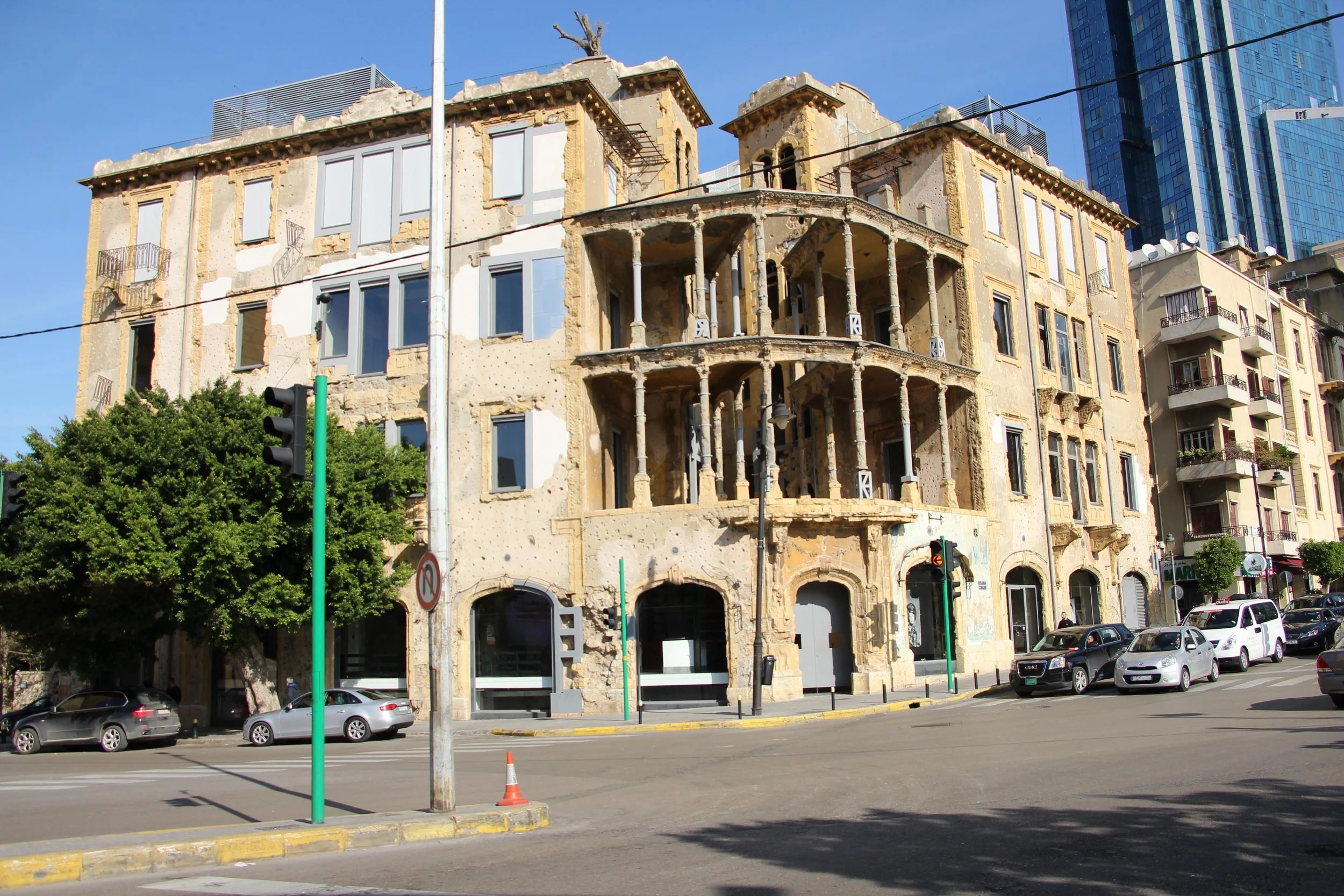
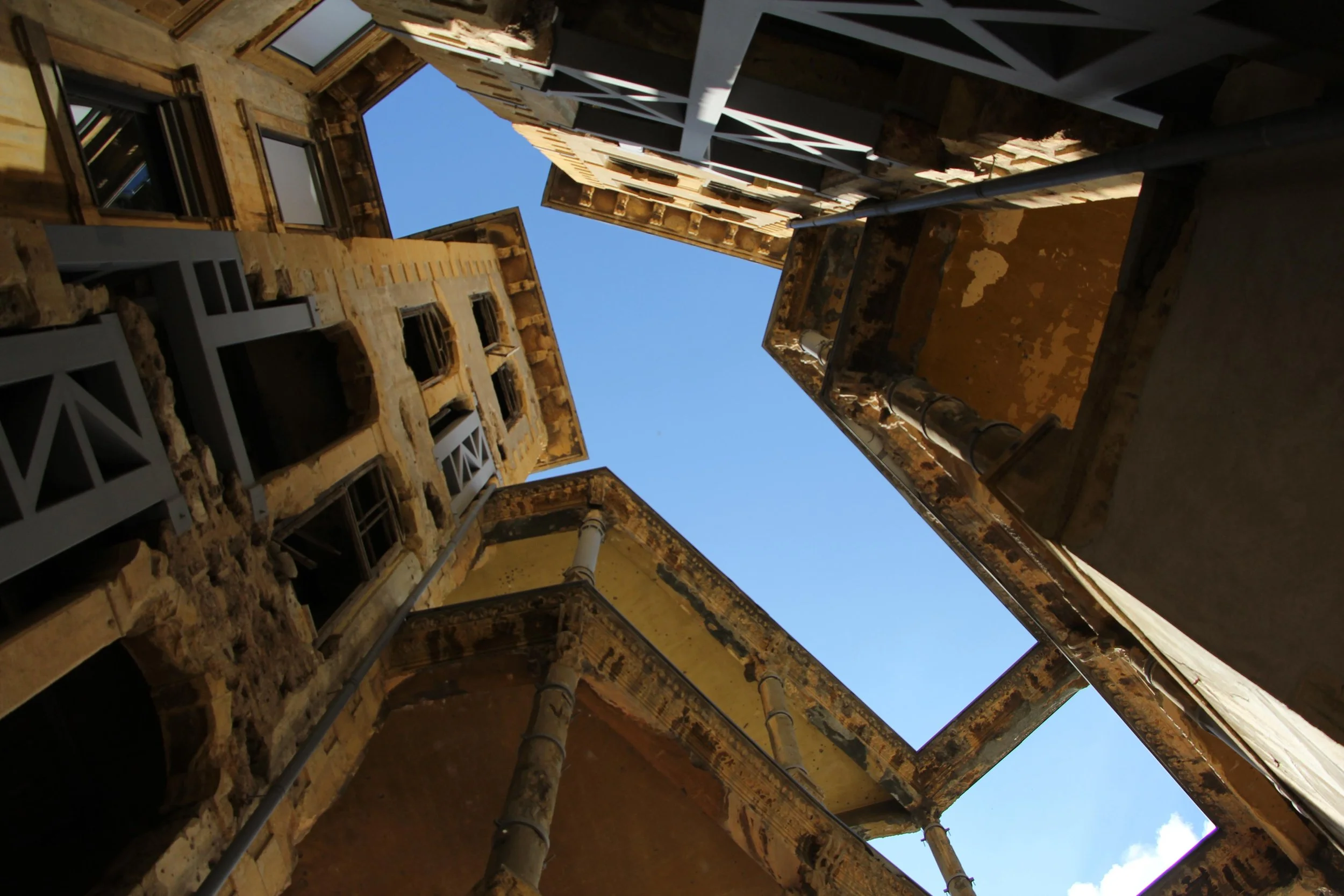
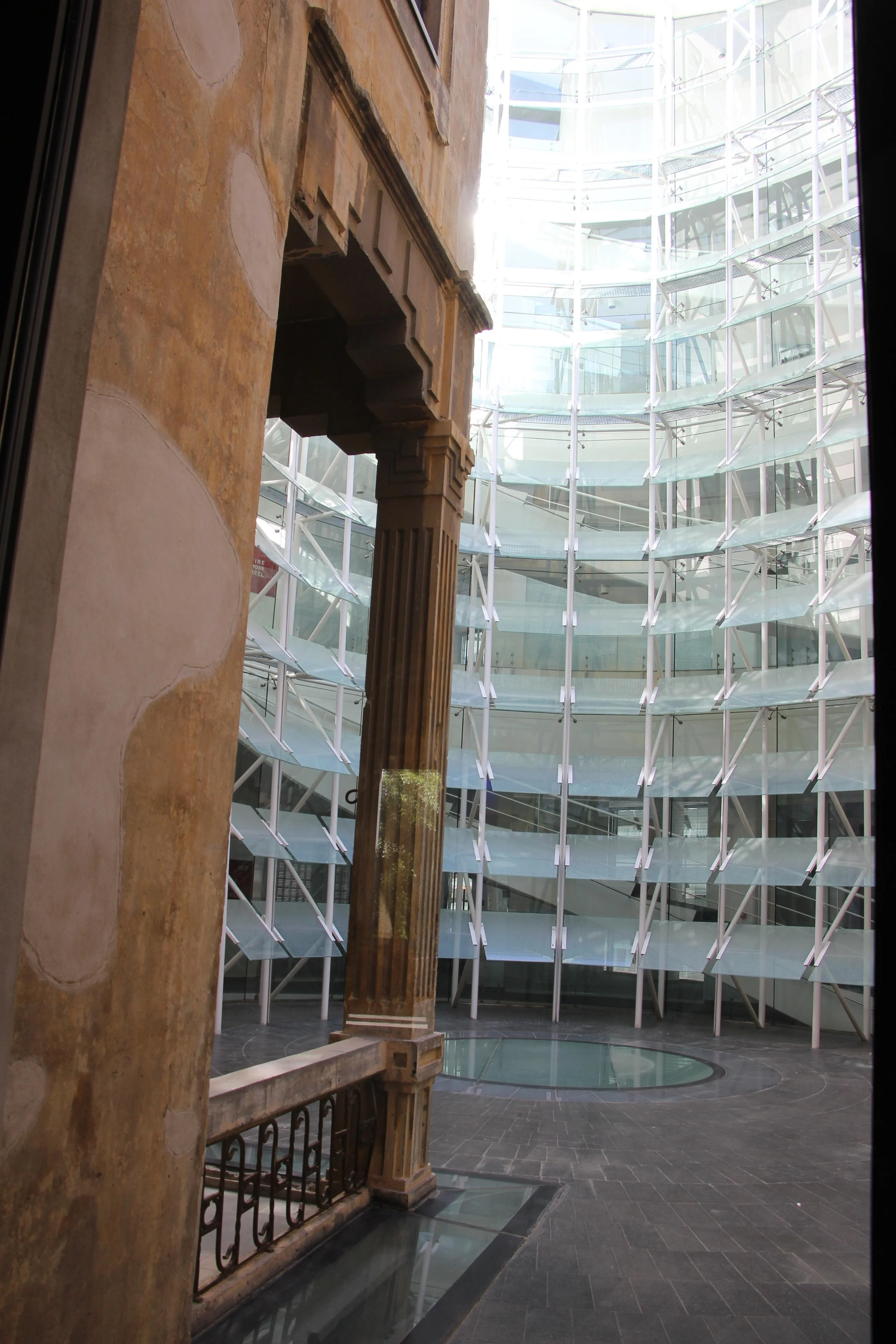
Later, in Saida, Lebanon, I encountered another urban lesson. Formally known as Sidon, it is one of the oldest cities on the Mediterranean coast, and that long continuity can be felt in the scale and texture of the city. Its layers are not abstract—they are physical, visible, and lived. That experience sharpened my appreciation for human-scale urbanism, and for the way older cities teach us to notice thresholds, edges, and the life that happens between buildings. Beirut added yet another layer to that understanding. It is a city where architecture can carry memory, tension, and resilience, all at once. Buildings like Beit Beirut, originally designed by Youssef Afandi Aftimos in 1924, and later preserved with traces of time still visible, remind us that architecture is not only shelter or image. It can also be a witness.
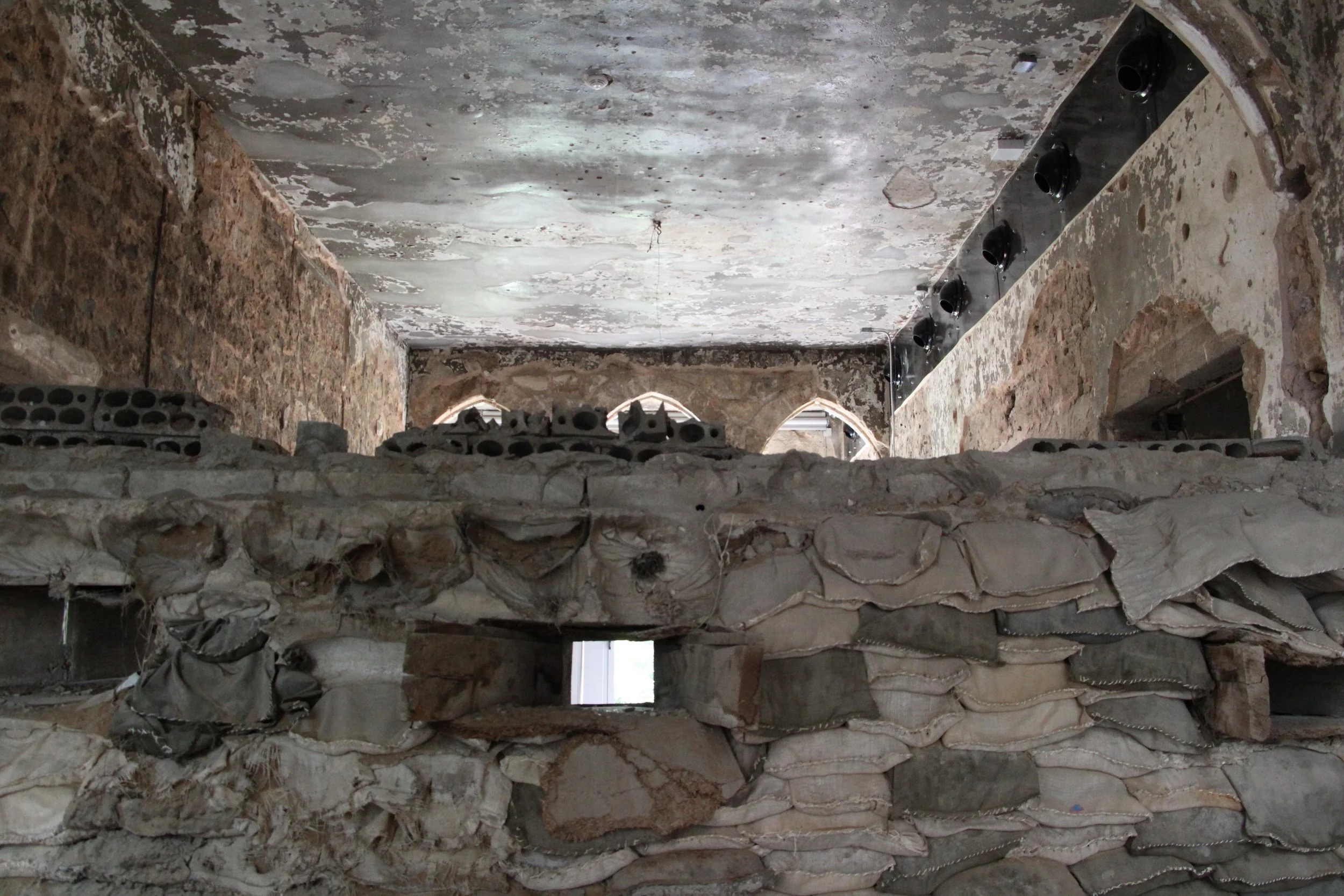
Traces of conflict in Beit Beirut.
When I returned to the United States and built my career in Virginia, those earlier lessons began to translate into professional practice. My path moved from architectural training into consulting, construction, and owner representation across commercial, multifamily, infrastructure, airport, and public-sector work. In that transition, I learned that culture does not disappear once design leaves the page. It influences priorities, coordination, access, operations, and ultimately the way people experience what gets built. In this stage of my life, architecture became less about isolated design intentions, and more about responsibility — how ideas survive through complexity, and how the built environment serves real communities.
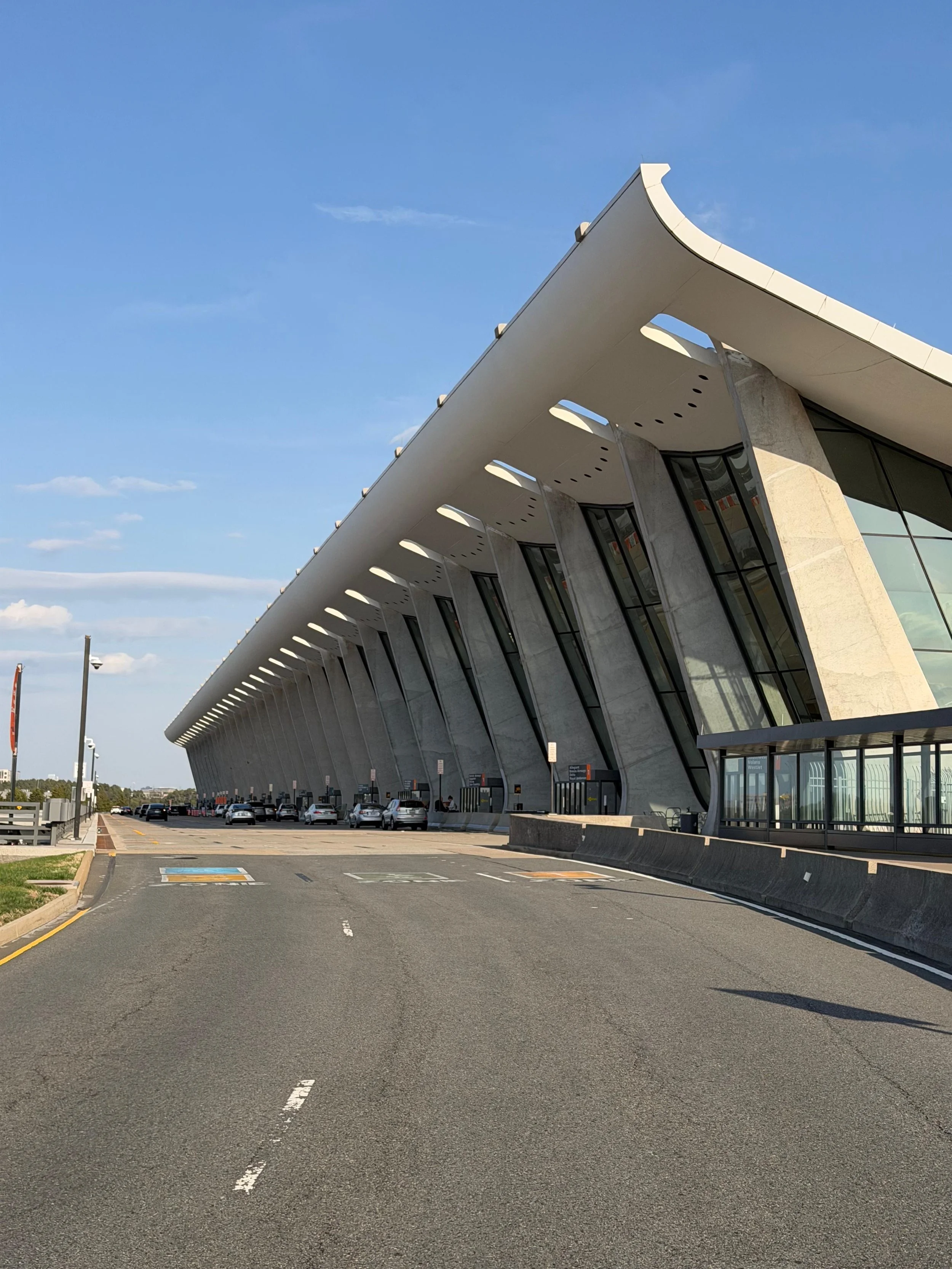
That is one reason I have always been drawn to civic and infrastructure environments. In this region, even work like the Dulles International Airport reflects the power of architecture to shape how people move through public life. Eero Saarinen’s design helped define an era of optimism and mobility, but beyond its iconic form, it also represents something larger: the idea that infrastructure can still have meaning, identity, and presence.
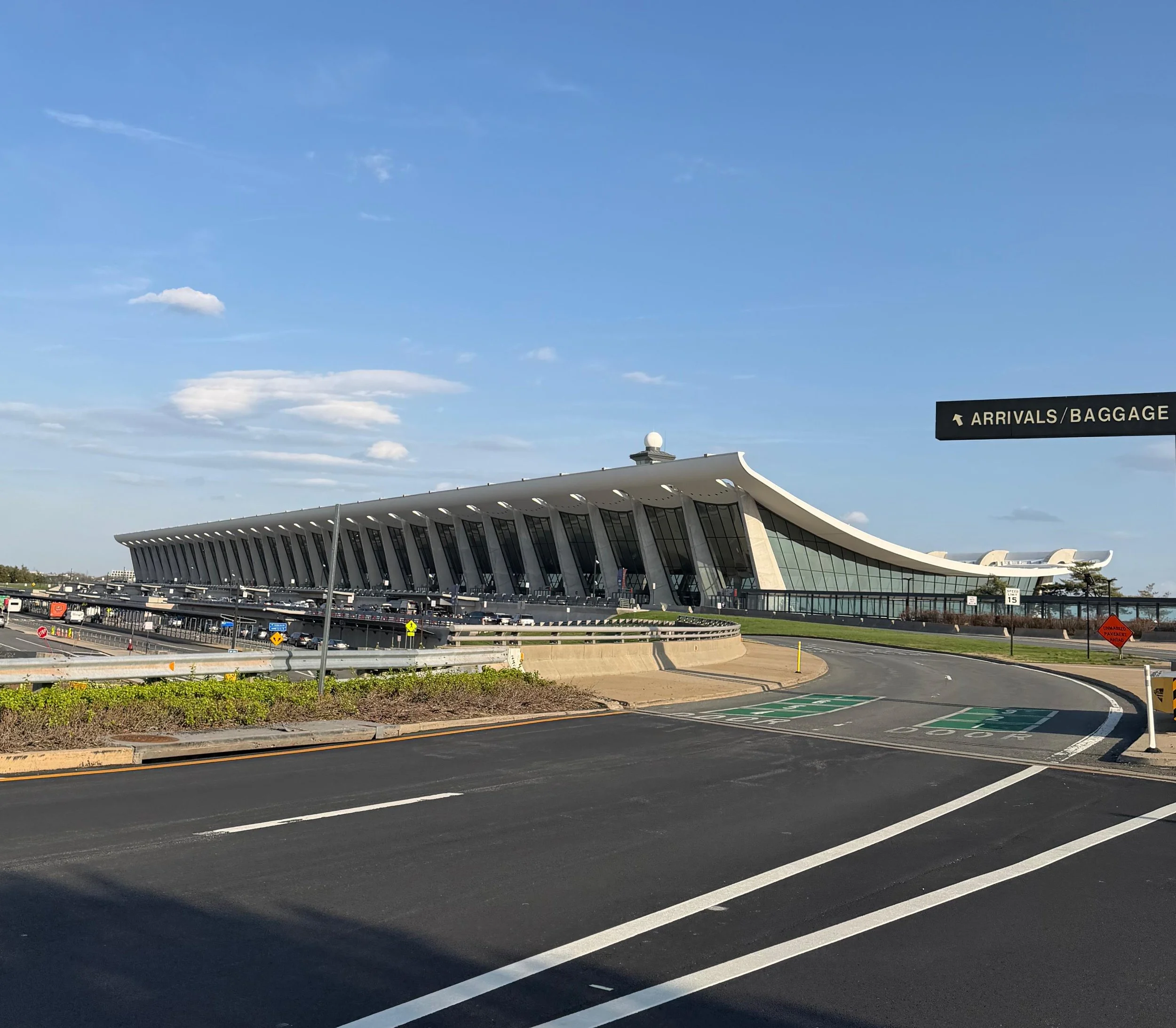
Main Terminal at Dulles International Airport.
Looking back, I realize that my education in design came not only from architecture school, but from cities themselves. Alexandria taught me that public life and memory matter. Cairo taught me that culture lives in the urban fabric. Saida taught me intimacy and scale. Beirut taught me that architecture can hold history and resilience. Virginia taught me how those lessons meet reality through construction, coordination, and public responsibility.
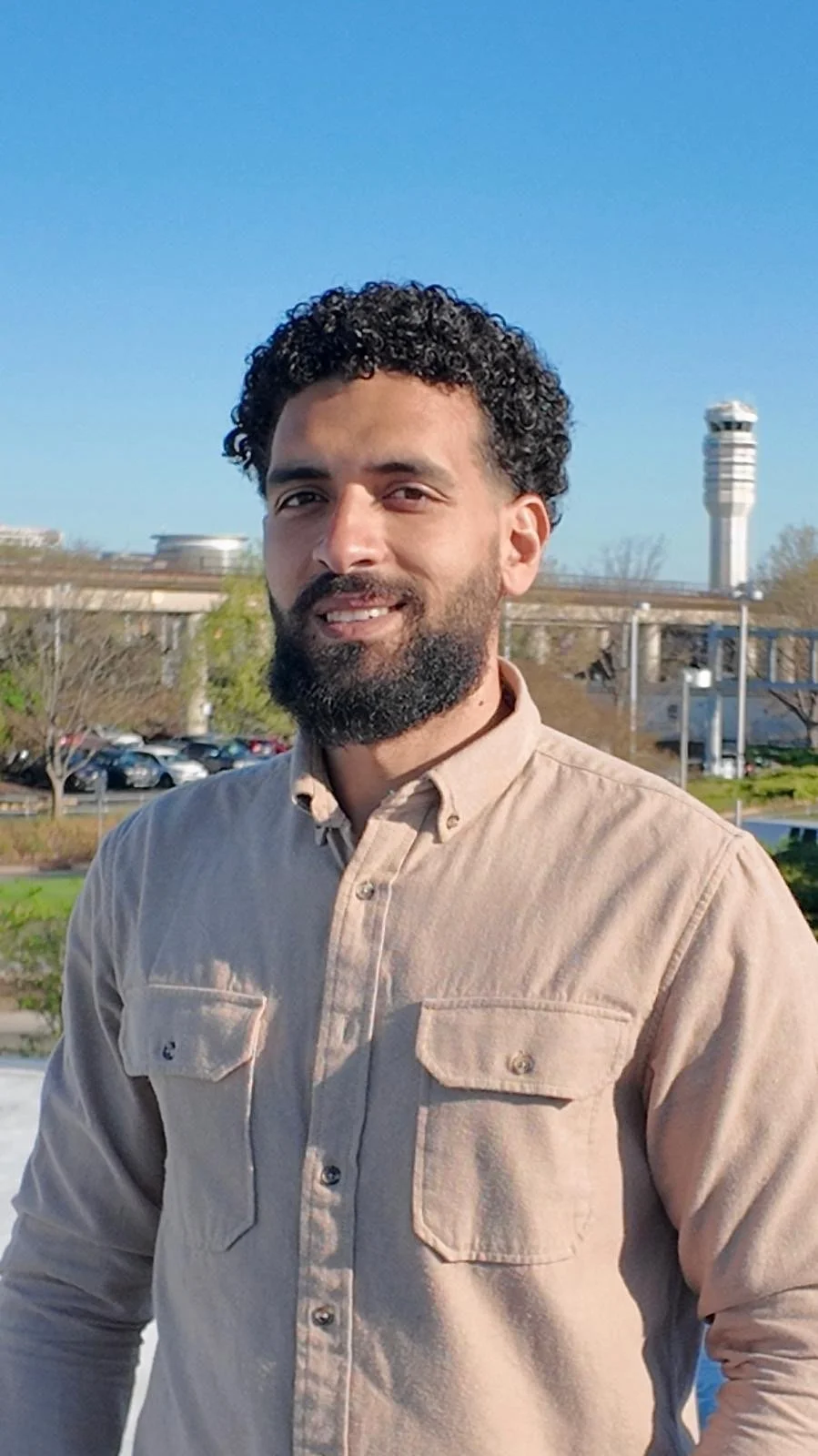
Ahmed Mostafa
That is why design and culture are inseparable to me. Culture is not an aesthetic layer added at the end. It is embedded in how people live, gather, remember, and see themselves in space. And for those of us whose lives have moved across places and identities, design becomes even more than a profession. It becomes a way of translating experience into environments that feel meaningful, respectful, and human.
For me, that is the lasting responsibility of design: not only to build well, but to build with cultural awareness, memory, and a real understanding of how people belong. So perhaps the challenge is this: before starting your next design, take a moment to think about the places and experiences that have shaped you. What do they reveal about how people live, gather, remember, and belong? And how might that awareness change the spaces you create next?”
Written by Ahmed Mostafa - Architect & Construction Manager, RIBA
Photos by Shahed Al Mubarak, Razan Kobrosli, Ghina Kanawati, and Omar Abdo