
DCNOMA CHAPTER HISTORY
The Washington, DC Chapter of the National Organization of Minority Architects (DCNOMA) has played a vital role in advancing equity, representation, and excellence in the built environment. This history documents the chapter’s roots, leadership, programs, and milestones—from its connection to NOMA’s founding through decades of advocacy, education, and community impact.
FOUNDING & DC’S NATIONAL ROLE (1971–1979)
Founding Years & Washington, DC’s National Leadership
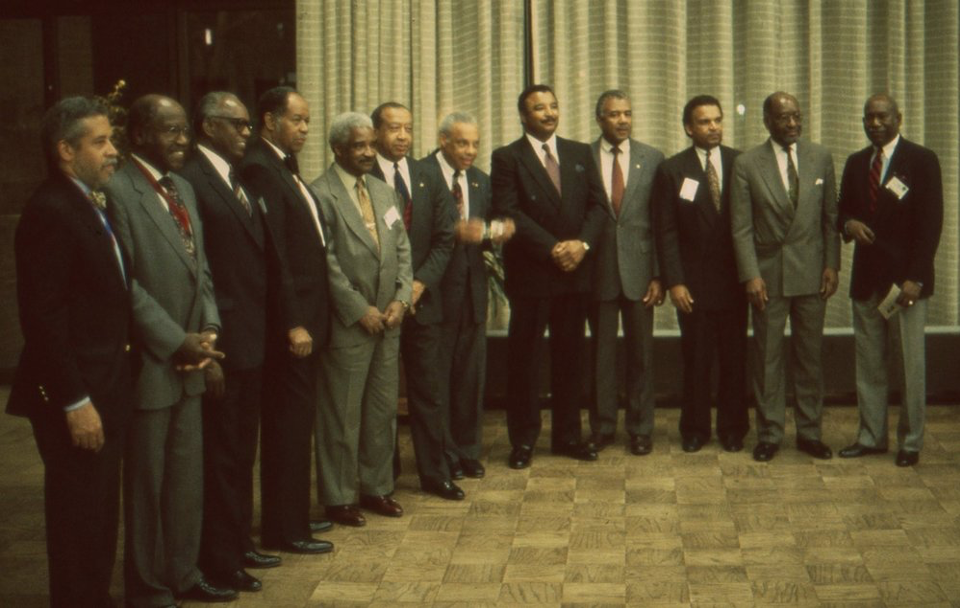
In 1971, following early conversations at the American Institute of Architects Conference in Detroit, a group of Black architects formally convened on November 12 in Nassau, Bahamas—launching what would become the National Organization of Minority Architects (NOMA).
Of the fourteen nationally recognized founders, three were Washington, DC–based architects: Leroy Campbell, Robert Nash, and Louis E. Fry Sr. Their leadership placed Washington, DC at the center of NOMA’s formation and early momentum.
Immediately following NOMA’s national founding, these leaders moved to establish a Washington, DC chapter—positioning the city as one of the organization’s earliest and most influential chapters.
Timeline Callout (bold, short):
1973: Leroy Campbell becomes NOMA’s second National President
1979: Robert Nash serves as NOMA National President.
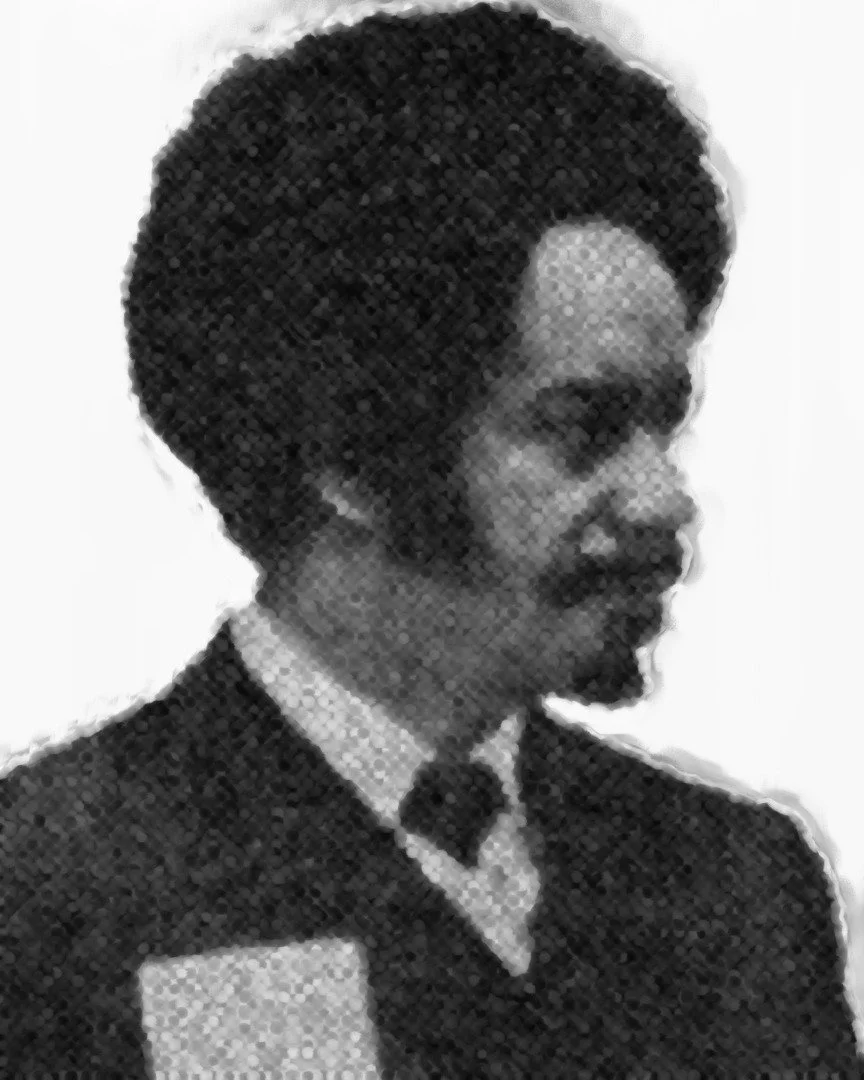
Robert Nash
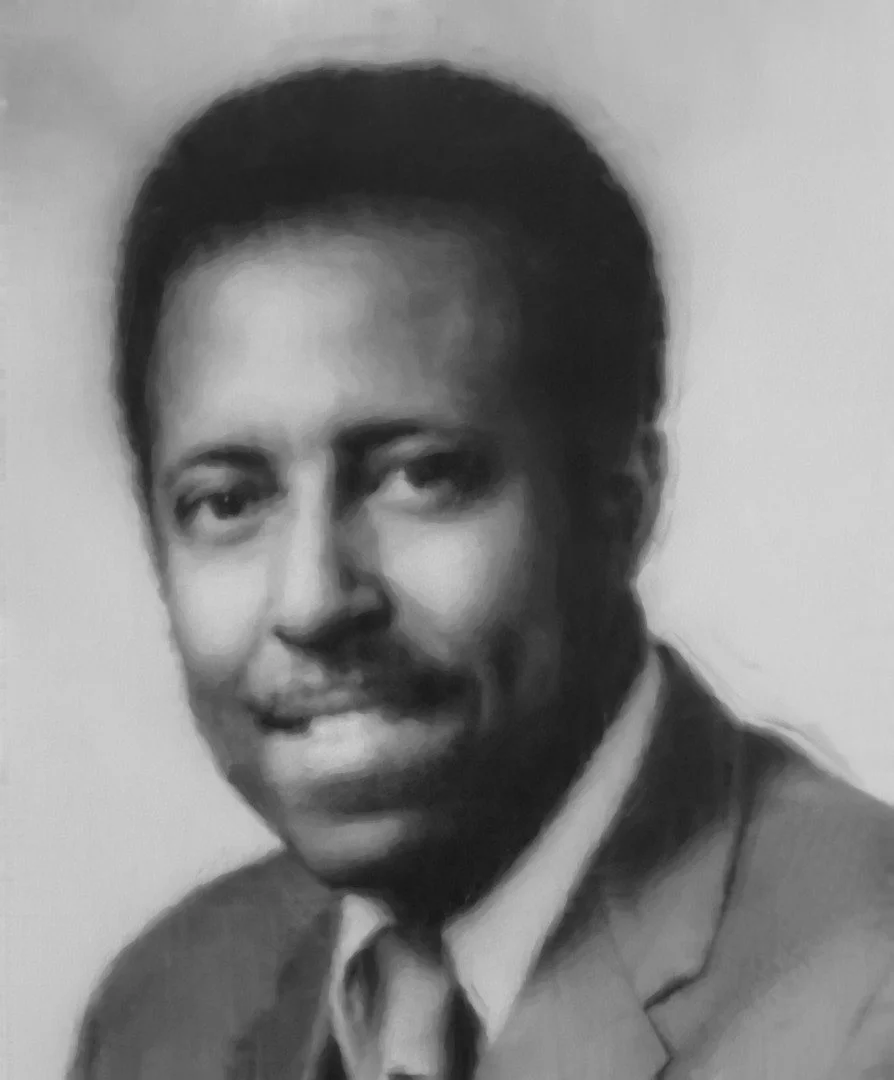
Leroy Campbell
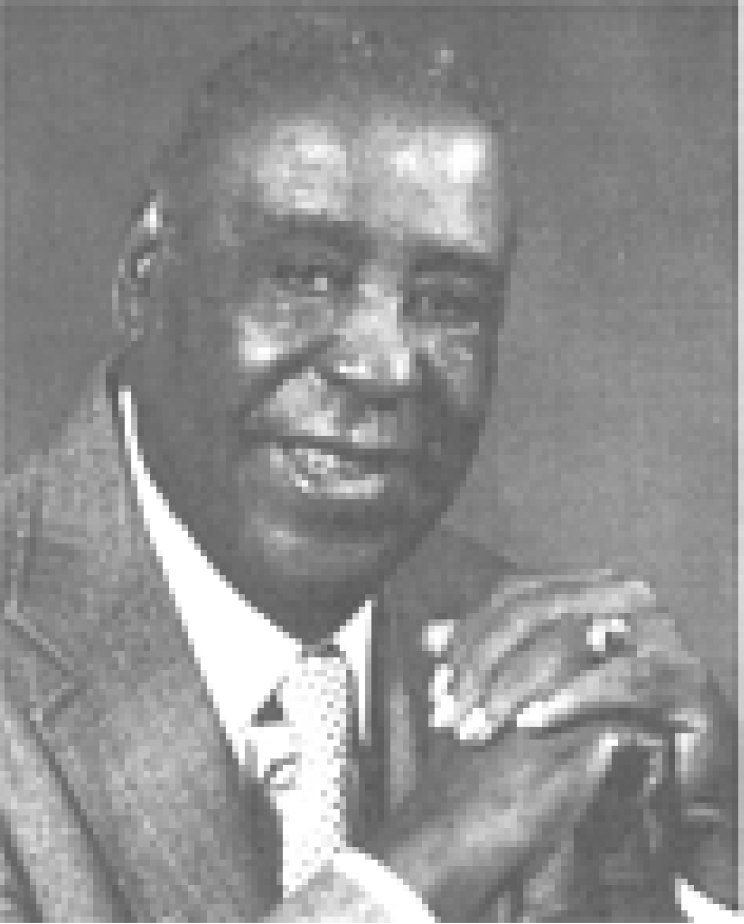
Legacy Leadership: Louis E. Fry Sr., FAIA, NOMA
Louis E. Fry Sr., FAIA, NOMA (1903–2000) was a foundational figure in both Washington, DC’s architectural history and the broader NOMA legacy. A graduate of Prairie View A&M University, the University of Kansas, and Harvard University, Fry served as chair of architecture departments at Lincoln University, Tuskegee University, and Howard University.
In 1954, he co-founded Fry and Welch, a Washington, DC–based firm responsible for significant educational and civic projects, including Founders Library and Douglass Hall at Howard University. A member of the AIA for more than 50 years, Fry’s professional and academic leadership helped shape generations of architects and laid groundwork for DCNOMA’s future influence.
DC AS A NATIONAL CONVENING HUB (1971–1998)
National Conferences & Student Impact
Washington, DC quickly became a national gathering point for NOMA. The city hosted numerous National NOMA Conferences, including the 4th (1974), 5th (1975), 8th and 9th (1978), 20th (1992), and 26th (1998) conferences.
The 1992 National Conference, hosted in DC, marked a pivotal moment with the formal creation of NOMA Students (NOMAS)—supported by Howard University and Walt Disney Imagineering. This milestone reinforced DCNOMA’s commitment to student engagement, mentorship, and professional access.
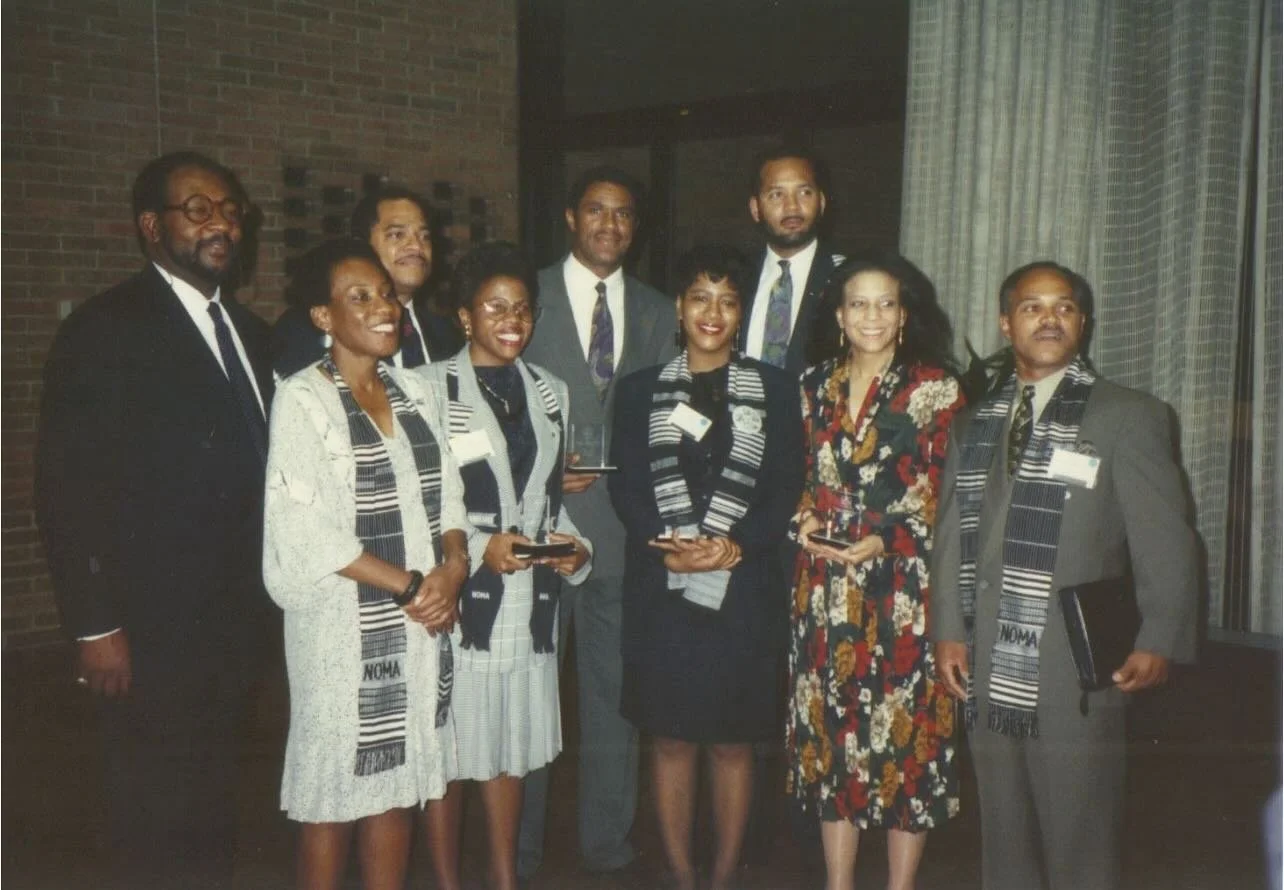
DCNOMA Past Presidents
1973 — Leroy Campbell
1979 — Robert Nash
Service, Advocacy & Community Partnerships (2000–2010)
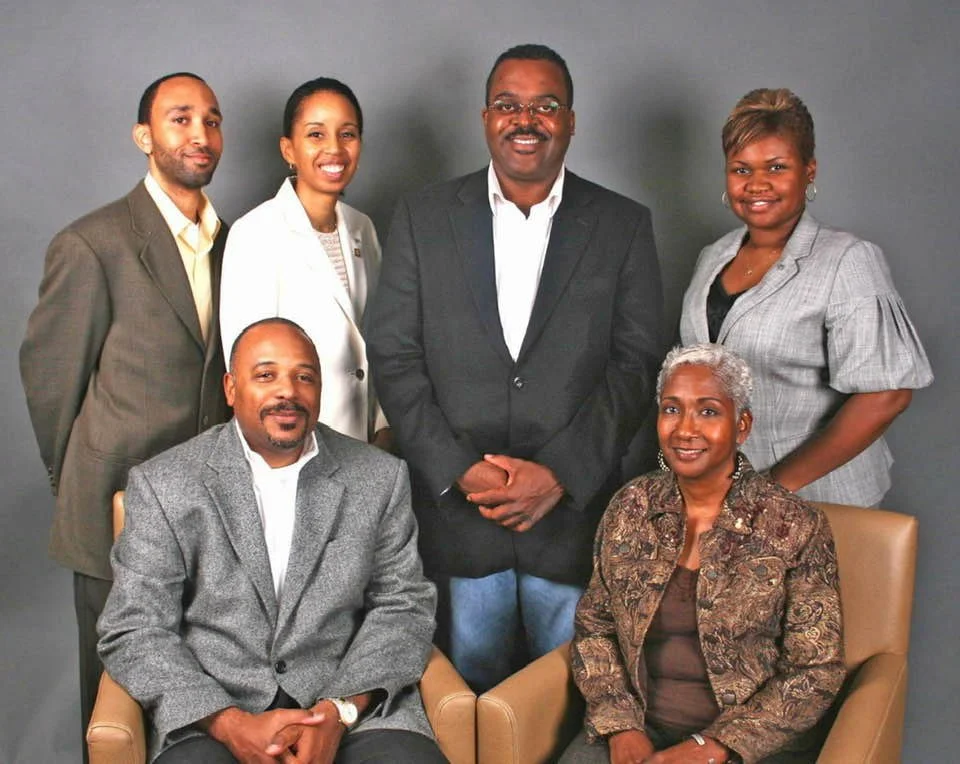
DCNOMA Past Presidents
2000-03 — Virgil Green
2004-07 — William Ngutter
2008 — Larry Jones
2009-10— Bernard Suber
Advocacy, Service & Community Partnerships
Between 2000 and 2010, DCNOMA expanded its influence through advocacy, education, and partnerships. Under the leadership of chapter presidents including Virgil Green (2000-03), William Ngutter (2004-06) and Bernard Suber (2010), DCNOMA strengthened relationships with organizations such as the National Trust for Historic Preservation, ACE Mentoring Program, EPA, AIA, APA’s Planning and the Black Community Division, and the Northern Virginia Black Chamber of Commerce.
Key initiatives during this period included:
FocusOnDesign Symposium participation and Lifetime Achievement Awards
Black History Month celebrations at national landmarks
Early ARE preparation seminars hosted at Howard University
Community service projects with Friends of Tyler School
Expansion of CEU programming and scholarships
These efforts positioned DCNOMA as both a professional resource and a civic advocate.
Program Expansion & Cross-Industry Collaboration (2012-2016)
Program Expansion & Cross-Industry Collaboration
By 2012, DCNOMA broadened its programming to include interdisciplinary collaboration, professional development, and inclusive networking. Highlights included joint events with AAREP, AIA|DC, AGC, SEA, ASHRAE, and others; Women in Architecture lecture series; firm spotlights; workplace wellness seminars; and large-scale project tours such as CityCenterDC.
These programs reflected DCNOMA’s evolving role as a connector—linking architects, allied professionals, students, and community stakeholders. This led to DCNOMA winning Chapter of the Year at the 2012 NOMA Conference.
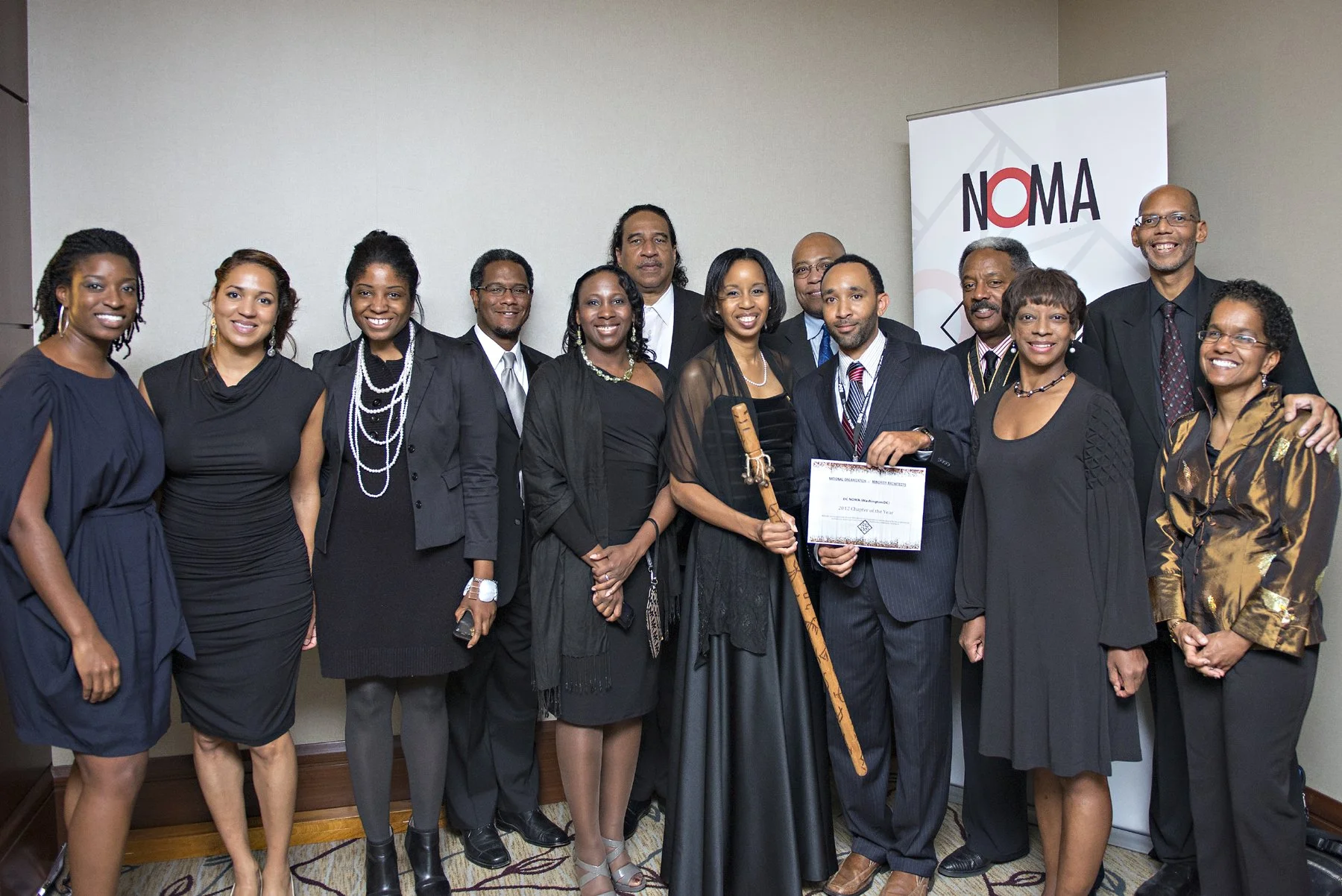
DCNOMA Past Presidents
2010-12— Bernard Suber
2013-16— Thomas Brokaw
REUNION & RESET: THE MODERN ERA BEGINS (2019)
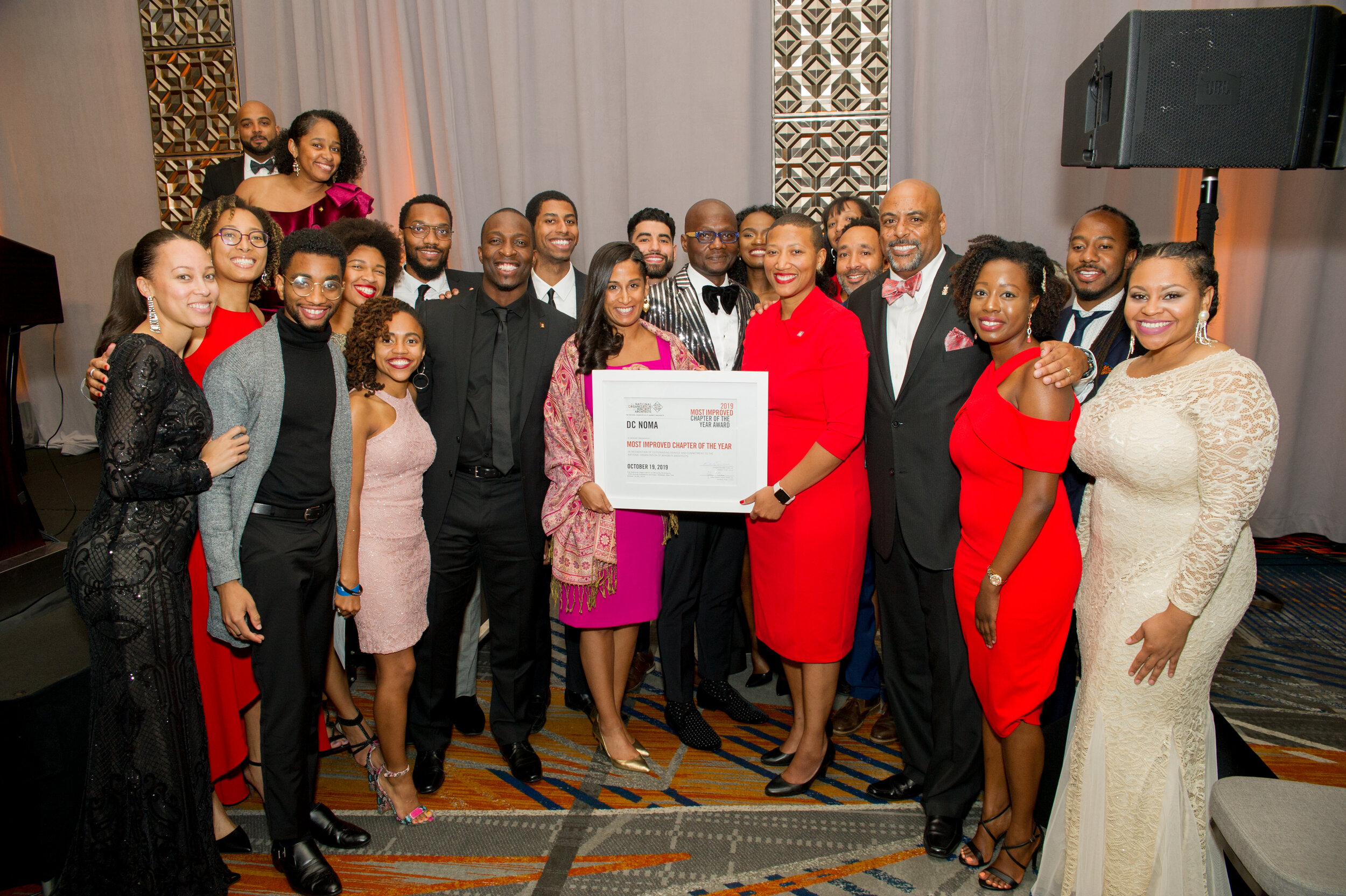
DCNOMA Past Presidents
2019 — Gina Fernandes
2019: Reconnection, Recognition & Renewal
At the 2019 NOMA Conference, DCNOMA members reunited after a period of limited activity and were awarded “Most Improved Chapter.” This moment marked a formal reset for the chapter.
A new Executive Board was elected, a member-driven website was launched, consistent programming was re-established, and the chapter began pursuing 501(c)(6) nonprofit status—signaling a renewed commitment to transparency, sustainability, and growth.
RESILIENCE THROUGH THE PANDEMIC (2020–2023)
DCNOMA Past Presidents
2020 — Gina Fernandes
2020-23 - Reginald Truxon
Resilience & Rebuilding
Like many organizations, DCNOMA experienced reduced activity during the COVID-19 pandemic. However, new elections and renewed leadership interest during this period laid the groundwork for unprecedented engagement and growth in the years that followed.
UNPRECEDENTED GROWTH & NATIONAL RECOGNITION (2024–2025)

DCNOMA Past Presidents
2024-25 — Morina Peterson
Growth, Innovation & National Leadership
2024 Key Milestones:
Elected a new Executive Board
Achieved all-time high membership, becoming the 3rd largest NOMA chapter nationwide
Expanded and professionalized social media presence
Successfully rebranded with direct member participation
Tripled participation in Project Pipeline
Established consistent, year-round programming
Formed partnerships with NCARB, AIA, and The Architect Foundation
Awarded 5-Star Chapter of the Year
2025 Highlights:
Surpassed 200 active members
Awarded 5-Star Chapter of the Year for a second consecutive year
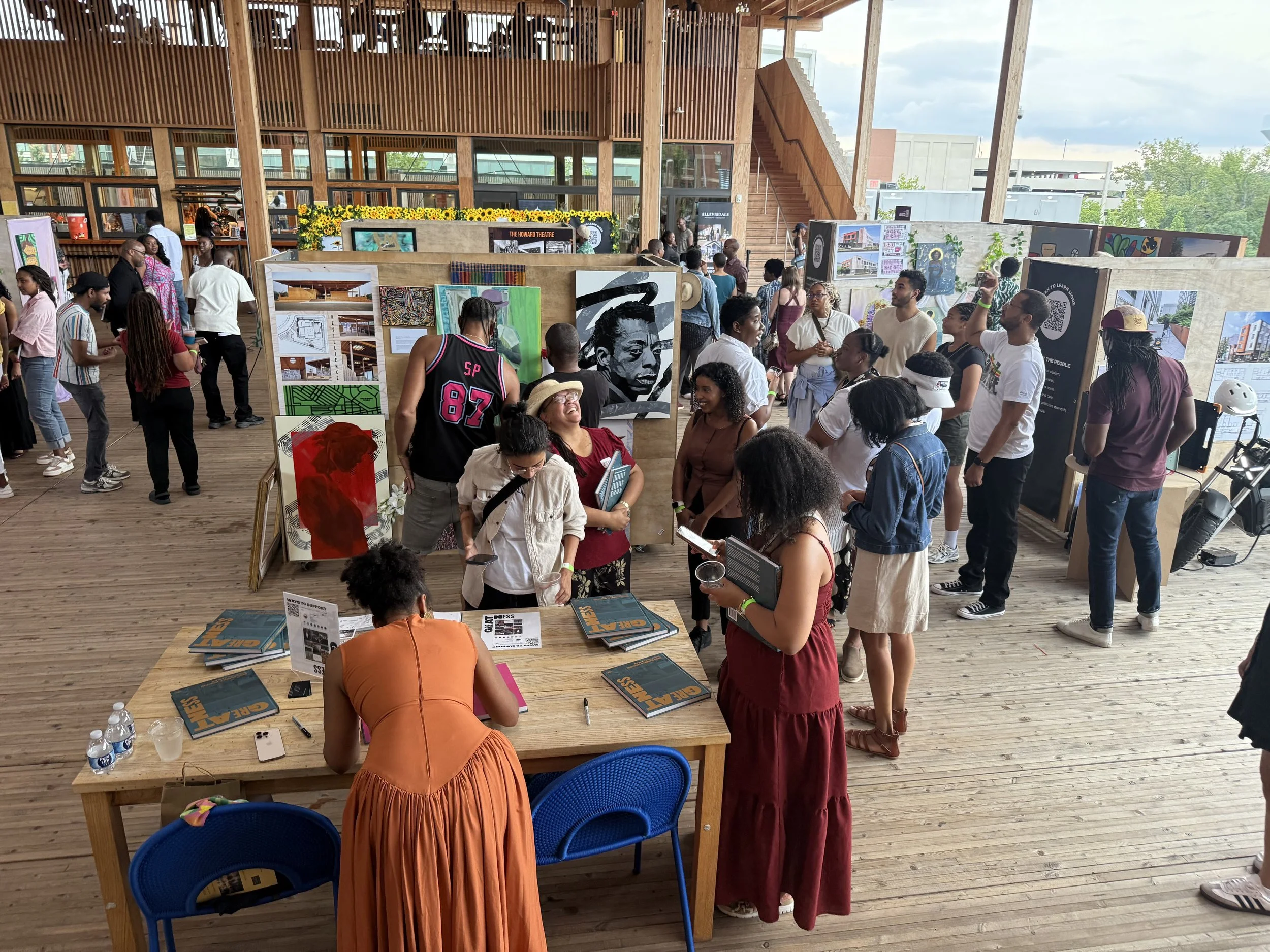
Launched original signature programming, including Blueprints & Brushstrokes
Continued to break barriers through advocacy, culture, and innovation in NOMA programming
Introduce → Call to Action
A Living Legacy
DCNOMA’s history continues to be written by its members, partners, and communities. Building on a foundation of leadership, resilience, and innovation, the chapter remains committed to shaping a more equitable and inclusive future for the built environment.