
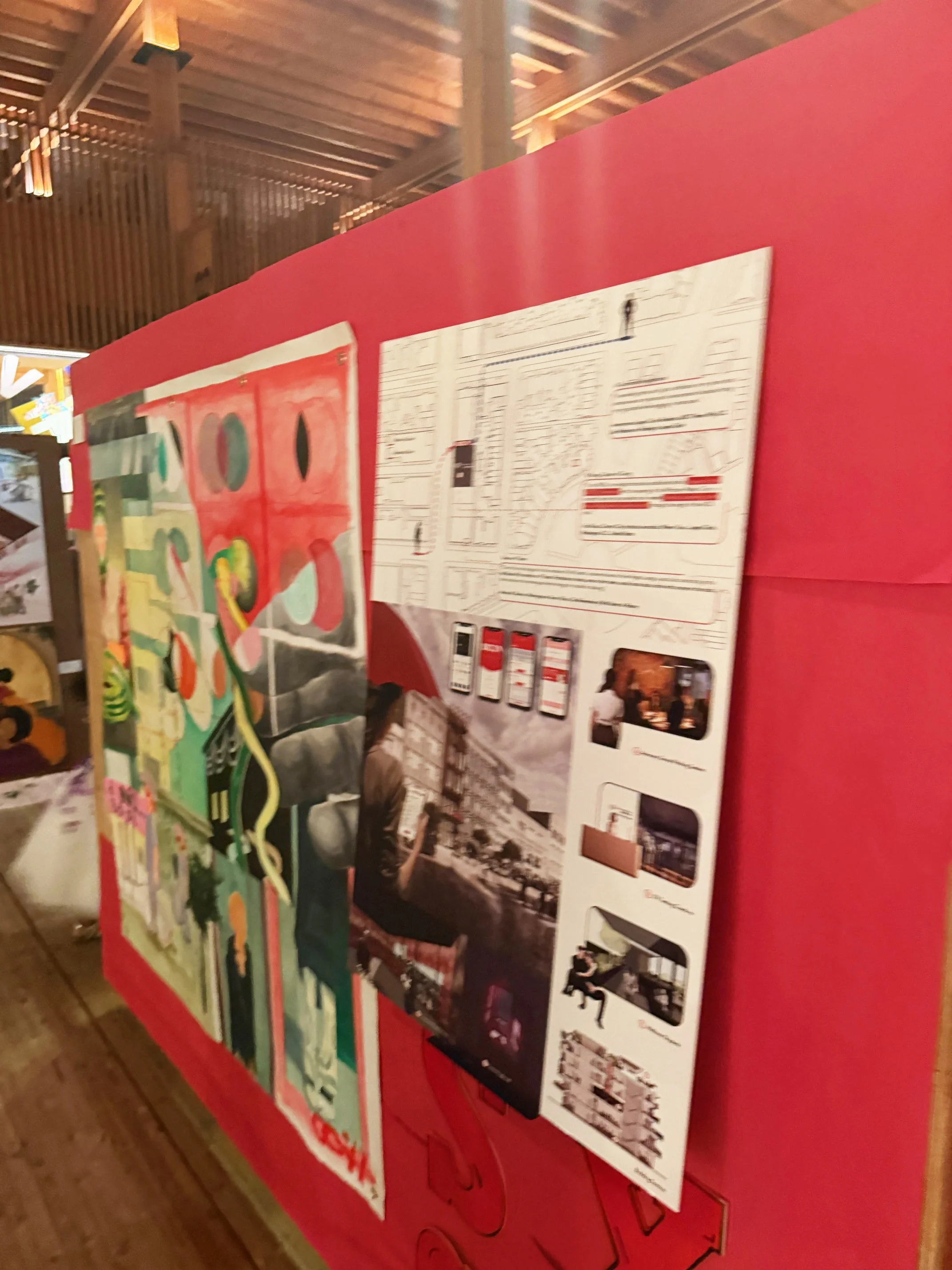
SXCO: The Sex Workers’ Co-Op
Partners of Place
HOUSING / SOCIAL INFRASTRUCTURE / ADVOCACY
PROJECT OVERVIEW
Designing for Visibility, Safety, and Autonomy
SXCO (The Sex Workers’ Co-Op) is a visionary architectural proposal located at 1527 14th Street NW in Washington, D.C.—a site shaped by histories of red-light activity, LGBTQ+ resistance, and rapid urban transformation.
Designed by Partners of Place, the project proposes a fundamentally different approach to architecture—one shaped by and for sex workers. Rather than treating sex work as something to conceal or regulate out of existence, SXCO recognizes it as labor that is deeply spatial and responds with an infrastructure rooted in care, dignity, and agency.
The project challenges the ways cities criminalize not only actions, but presence—where zoning, surveillance, and policing intersect to restrict who is allowed to occupy space and under what conditions.
SXCO offers an alternative: a space where sex workers are not hidden, but supported.
Visibility without surveillance.
Work without stigma.
Care without condition.

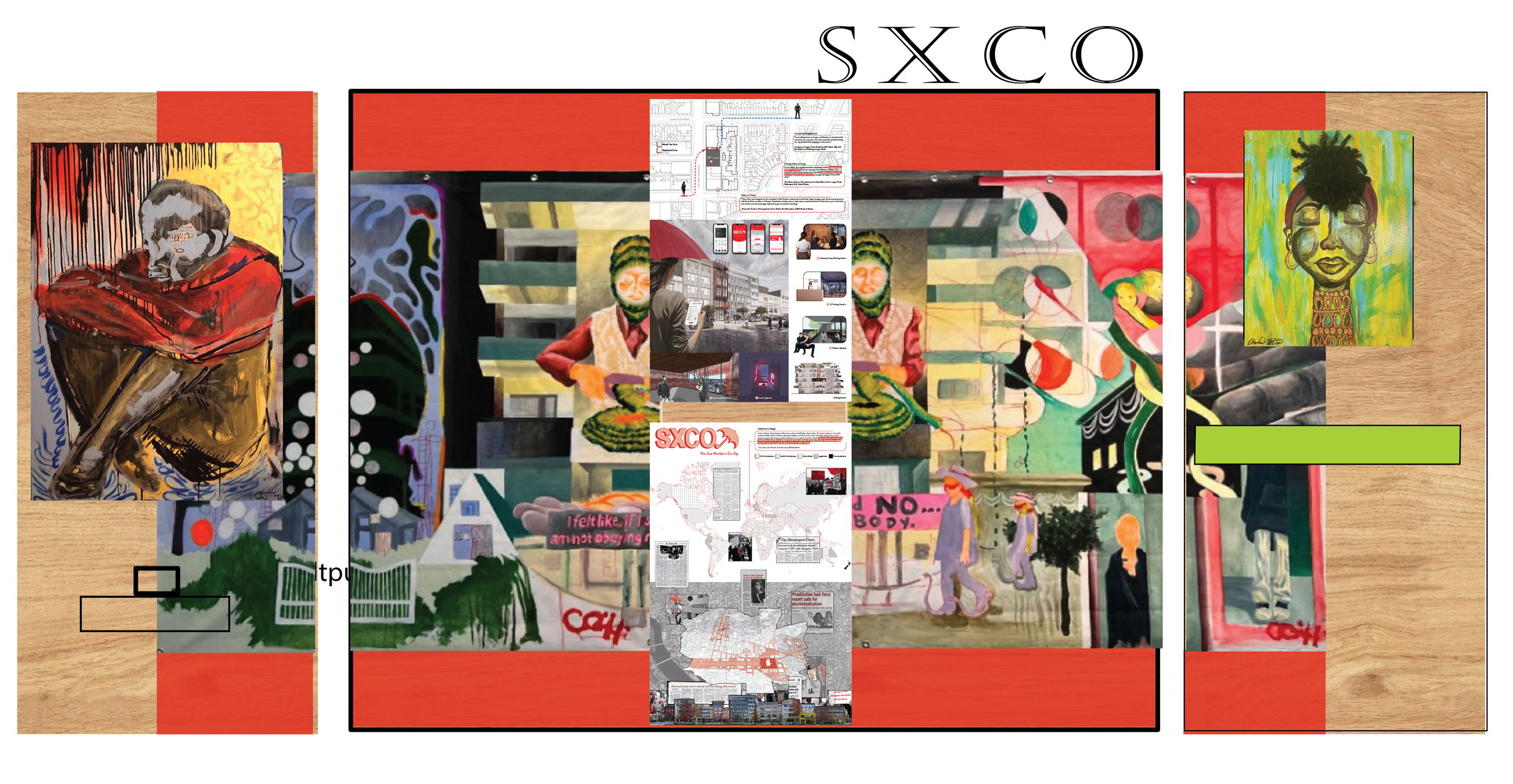
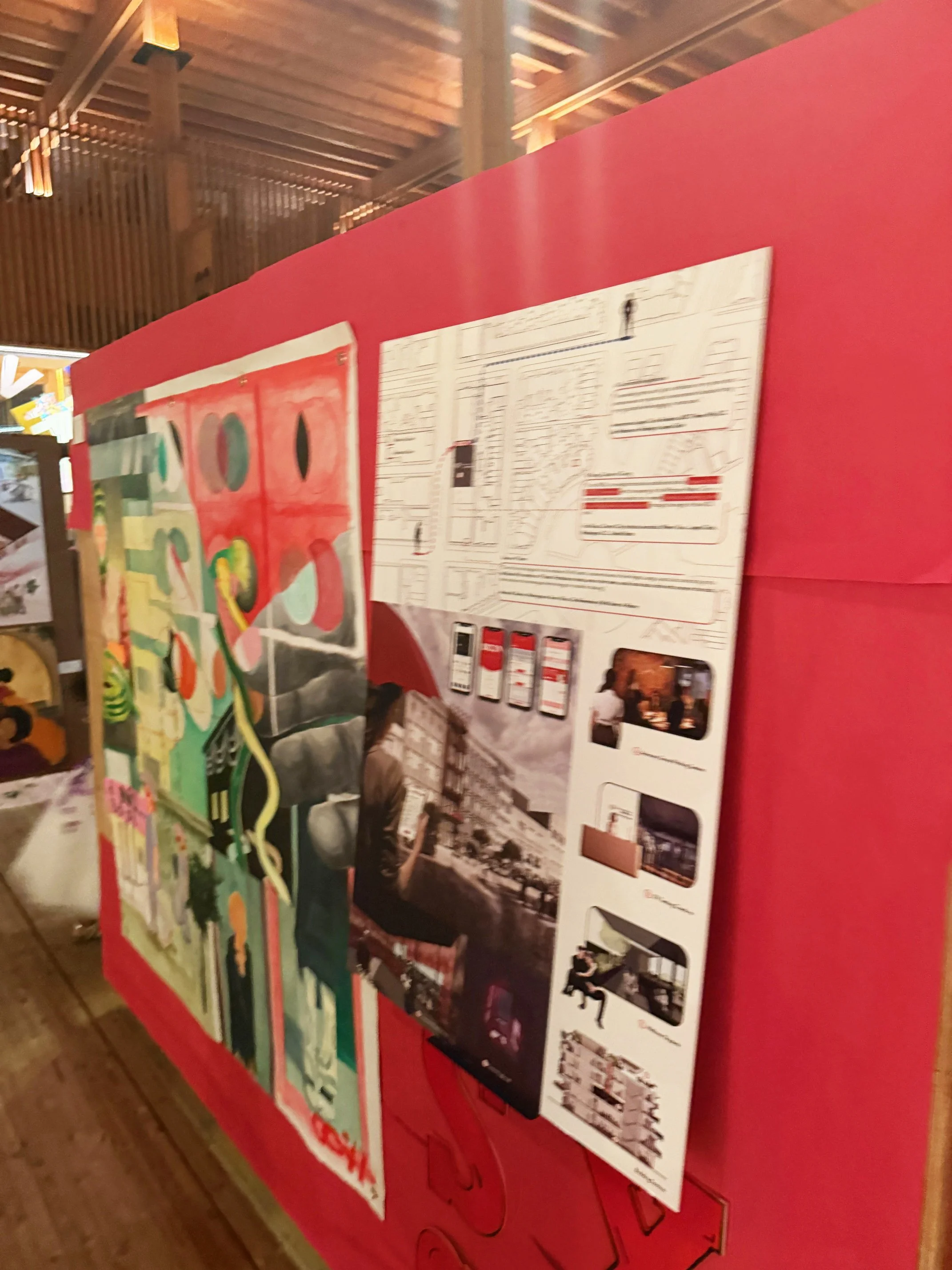
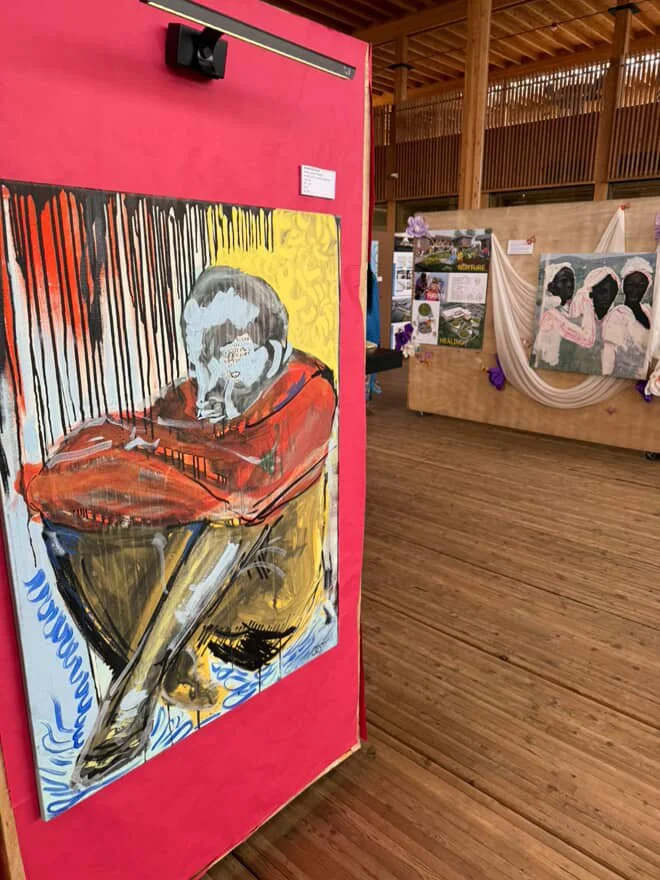

THE ARCHITECTURAL PROJECT
Intimacy as Infrastructure
SXCO is grounded in the idea that intimacy is spatial—and that the built environment plays a critical role in shaping vulnerability, safety, and power.
The design proposes a layered program that includes:
On-demand workspaces
Lounges and rest areas
Healthcare services (in partnership with Whitman-Walker Health)
Advocacy offices connected to HIPS
Spatial access is intentionally differentiated. A discreet rear entrance allows for privacy and protection, while a public-facing entrance on 14th Street invites engagement with health services, community resources, and advocacy—blurring the boundary between hidden and visible.
At the core of the building, elements such as a central lightwell, shared communal spaces, and a sex worker skydeck create environments that resist rigid separations between public and private. Instead, the design introduces fluid zones of trust, care, and collective agency.
The project rejects the traditional red-light district model of containment. Instead, it integrates sex work into the urban fabric—recognizing that safety comes not from isolation, but from connection, support, and visibility on one’s own terms.
Architecture as protection. Architecture as agency.
ARTIST INTERPRETATION
Seen / Unseen
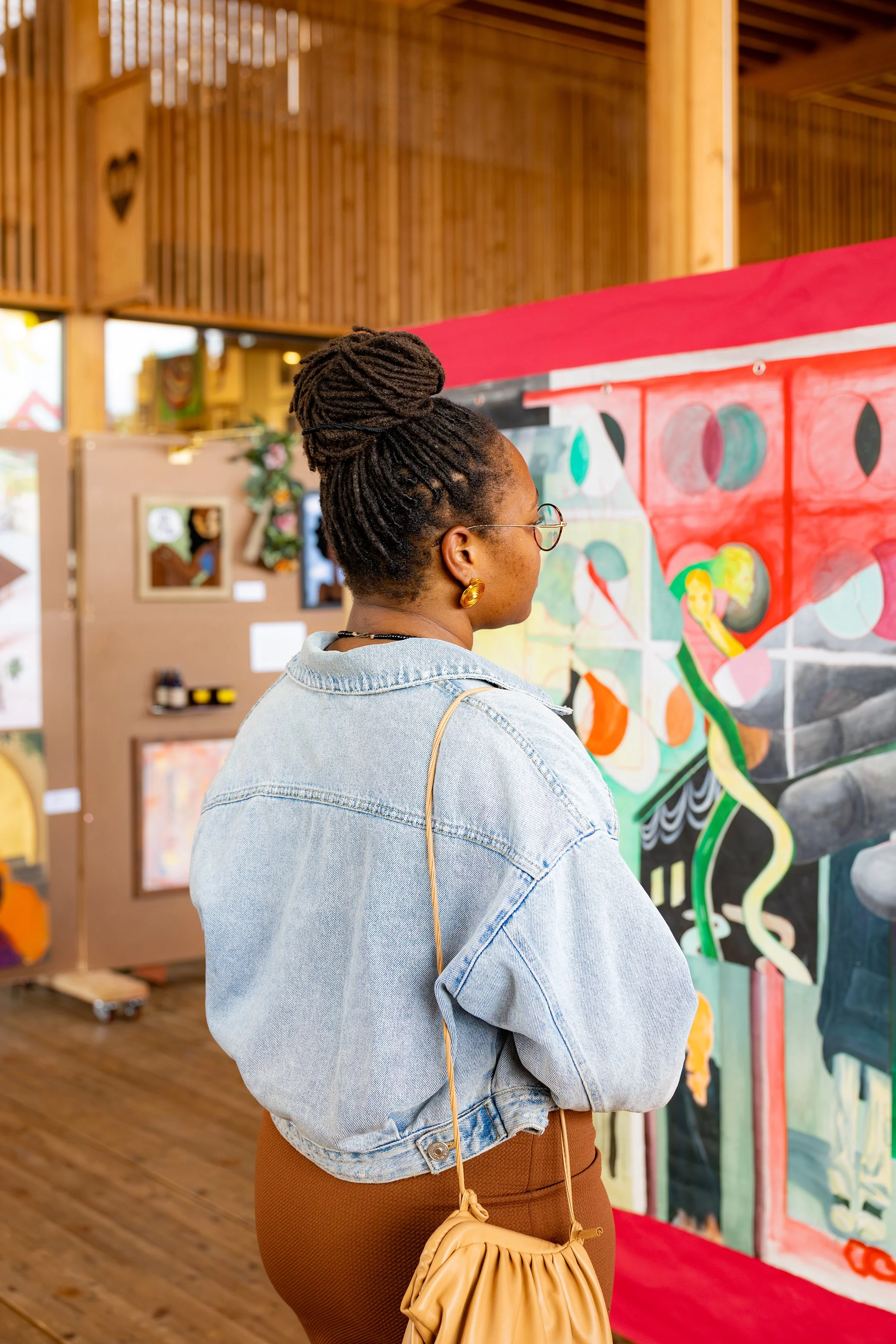
“Seen / Unseen” explores the tension between visibility and invisibility—how certain bodies are hyper-surveilled while simultaneously erased from public recognition.
Through layered figures, fragmented forms, and shifting light conditions, the work reflects the realities of navigating space under systems of control and stigma. The imagery suggests both presence and concealment—mirroring the spatial conditions that SXCO seeks to transform.
Rather than depicting a singular narrative, the work creates a field of experience—one where identity is fluid, and visibility is negotiated rather than imposed.
The artwork aligns with SXCO’s core premise: that safety is not found in disappearance, but in the ability to exist on one’s own terms.
To be seen is power.
To choose when is autonomy.
THE COLLABORATION
Where Design Meets Advocacy
The collaboration between Partners of Place and the artistic narrative positions SXCO as more than an architectural proposal—it becomes a spatial argument for justice.
Architectural drawings and programmatic strategies articulate how space can be designed to support safety, autonomy, and collective care. The artwork, in turn, reflects the lived realities of navigating visibility, stigma, and control.
Together, they challenge dominant narratives about sex work and urban space. The installation reframes architecture as an active participant in shaping social conditions—not neutral, but deeply embedded in systems of power.
This collaboration highlights the role of design in confronting exclusionary urban practices and imagining alternative futures rooted in dignity and agency.
A shared vision—where space becomes a tool for justice.
SXCO: The Sex Workers’ Co-Op
PROJECT DETAILS
Social Infrastructure / Advocacy / Mixed-Use
FIRM
Partners of Place
ARTISTS
Ashley Jaye Williams

THEME
Justice, Safety & Spatial Agency
YEAR
2025